 By shanmugapriya on April 17, 2026
|
By shanmugapriya on April 17, 2026
|


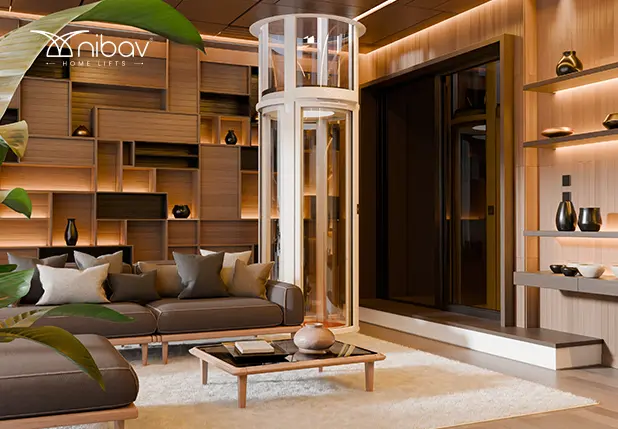
What Are Panoramic Elevators? Features, Benefits & Working Explained
Panoramic elevators, also known as glass elevators, are modern lift systems designed with transparent walls that offer a clear view of the surroundings while traveling between floors. Unlike traditional enclosed lifts, these elevators enhance both functionality and aesthetics, making them a popular choice for luxury homes, villas, malls, hotels, and commercial buildings.
With growing demand for visually appealing and space-efficient mobility solutions, panoramic elevators are becoming a top preference in India, especially in urban homes and premium residential projects.
Table of Contents
▾- What Is a Panoramic Elevator?
- Key Features of Panoramic Elevators
- How Do Panoramic Elevators Work?
- Benefits of Panoramic Elevators
- Where Are Panoramic Elevators Used?
- Types of Panoramic Elevators
- Safety Features of Panoramic Elevators
- Space Requirements for Panoramic Elevators
- Panoramic Elevators vs Traditional Elevators
- Cost of Panoramic Elevators in India
- Are Panoramic Elevators Worth It?
- Latest Trends in Panoramic Elevators
- Conclusion
What Is a Panoramic Elevator?
A panoramic elevator is a lift enclosed with glass panels (fully or partially), allowing passengers to enjoy outside views during movement. These home elevators are often installed in visually strategic areas such as building exteriors, atriums, or living spaces where design and experience matter.
They combine advanced engineering with architectural elegance, offering a seamless blend of safety, performance, and style.
Key Features of Panoramic Elevators
1. Transparent Glass Design
The most distinctive feature is its glass enclosure. Depending on the design, elevators can be:
- Fully glass (360-degree view)
- Semi-glass (one or more transparent sides)
- Custom-designed with framed or frameless glass
2. Stylish & Modern Appearance
Panoramic elevators are built to enhance the overall aesthetics of a space. They add a luxurious and contemporary look to homes and commercial buildings.
3. Space-Saving Options
Modern panoramic lifts are available in compact designs that do not require large shafts or machine rooms, making them ideal for Indian homes with limited space.
4. Smooth and Silent Operation
These elevators use advanced drive systems (like traction, pneumatic, or hydraulic) that ensure quiet and vibration-free movement.
5. Customisation Flexibility
Homeowners can choose from:
- Different glass types (clear, tinted, laminated)
- Frame finishes (steel, aluminium, powder-coated)
- Lighting options and cabin interiors
6. Energy Efficiency
Many panoramic elevators are designed with low power consumption systems, making them eco-friendly and cost-efficient.
How Do Panoramic Elevators Work?
Panoramic elevators operate using one of several lifting technologies. The working mechanism depends on the type of system used:
1. Traction-Based System
- Uses ropes and counterweights
- Powered by an electric motor
- Ideal for multi-storey buildings
- Offers smooth and efficient movement
2. Hydraulic System
- Uses fluid pressure to move the elevator
- Suitable for low-rise buildings (2–4 floors)
- Known for reliability and strong load capacity
3. Pneumatic (Vacuum) System
- Uses air pressure differences to move the cabin
- No cables or pulleys required
- Minimal civil work and quick installation
- Popular for modern homes
Basic Working Process:
- User presses a button to call the elevator
- The system activates the motor or pressure mechanism
- The cabin moves vertically along guide rails
- Safety systems ensure controlled speed and smooth stopping
- Doors open automatically at the destination
Benefits of Panoramic Elevators
1. Enhanced Aesthetic Appeal
Panoramic elevators instantly elevate the visual appeal of any space. They act as a design element rather than just a utility.
2. Increased Property Value
Installing a glass elevator can significantly boost the resale value of your home or commercial property due to its premium look and convenience.
3. Natural Light Utilisation
Unlike traditional lifts, panoramic elevators allow natural light to pass through, reducing the need for artificial lighting.
4. Comfortable User Experience
Passengers enjoy a spacious and open feel, avoiding the claustrophobic experience of enclosed lifts.
5. Ideal for Elderly and Accessibility
They provide easy movement between floors, especially for elderly family members or individuals with mobility challenges.
6. Versatile Installation Options
Panoramic elevators can be installed:
- Inside the house
- Outside the building
- In stairwells or void spaces
7. Low Maintenance (Modern Systems)
Advanced models are designed with durable materials and require minimal maintenance compared to older lift systems.
Where Are Panoramic Elevators Used?
Residential Homes
- Villas and duplex houses
- Bungalows and luxury apartments
- Retrofit installations in existing homes
Commercial Spaces
- Shopping malls
- Hotels and resorts
- Office buildings
Public Infrastructure
- Airports
- Metro stations
- Hospitals
Their visual appeal makes them especially useful in places where customer experience and design matter.
Types of Panoramic Elevators
1. Indoor Panoramic Elevators
Installed within the home or building interior, often in living rooms or central spaces.
2. Outdoor Panoramic Elevators
Mounted externally, offering scenic views and saving interior space.
3. Cylindrical Glass Elevators
Round-shaped elevators with 360-degree visibility, commonly used in modern homes.
4. Semi-Panoramic Elevators
Only one or two sides are glass, balancing cost and design.
Safety Features of Panoramic Elevators
Despite their glass design, panoramic elevators are built with strong safety measures:
- Laminated safety glass to prevent shattering
- Emergency braking systems
- Battery backup for power failures
- Door sensors to prevent accidents
- Overload protection systems
- Alarm and communication systems
These features ensure that panoramic elevators are as safe as traditional lifts.
Space Requirements for Panoramic Elevators
One of the biggest advantages is flexibility in installation.
Typical Requirements:
- Minimal or no pit (in some models)
- No machine room required (in advanced systems)
- Compact footprint for small homes
- Can be installed without major structural changes
This makes them suitable for both new constructions and existing houses.
Panoramic Elevators vs Traditional Elevators
| Feature | Panoramic Elevators | Traditional Elevators |
| Design | Glass, modern | Enclosed, standard |
| Aesthetics | High | Basic |
| Natural Light | Yes | No |
| Installation | Flexible | Requires shaft |
| Cost | Higher | Moderate |
| Experience | Open, scenic | Functional |
Cost of Panoramic Elevators in India
The price of a panoramic elevator varies depending on several factors:
Key Cost Factors:
- Number of floors
- Type of technology used
- Glass quality and design
- Customisation options
- Installation complexity
Estimated Price Range:
- Basic models: ₹12–15 lakhs*
- Mid-range models: ₹15–20 lakhs*
- Luxury/custom models: ₹25 lakhs+*
While the initial investment is higher, the long-term value and aesthetics justify the cost.
Note: * Prices listed are starting rates, exclude applicable taxes, and may vary based on customization.
Are Panoramic Elevators Worth It?
Yes, panoramic elevators are worth considering if you want:
- A premium and modern home upgrade
- Improved accessibility
- Higher property value
- A unique architectural feature
They are not just a mobility solution but also a statement of luxury and innovation.
Latest Trends in Panoramic Elevators
- Smart controls with mobile apps
- Voice-enabled operation
- Energy-efficient systems
- Minimalist frameless designs
- Integration with home automation
These trends are shaping the future of home mobility solutions in India.
Conclusion
Panoramic elevators are redefining how we perceive vertical mobility. With their elegant glass design, advanced technology, and superior comfort, they go beyond basic functionality to deliver a luxurious experience.
Whether you are building a new home or upgrading an existing one, panoramic elevators offer a perfect combination of style, convenience, and innovation. As demand continues to rise in India, they are quickly becoming a must-have feature in modern homes and commercial spaces.
Author
 Sriram
I'm Sriram, part of the Research & Development team. I specialize in home lift technology, working closely on innovations that make our elevators safer, more efficient, and better suited for modern homes. My role involves everything from testing new features to fine-tuning the performance of our latest lift models.