
 By shanmugapriya on August 28, 2026
|
By shanmugapriya on August 28, 2026
|



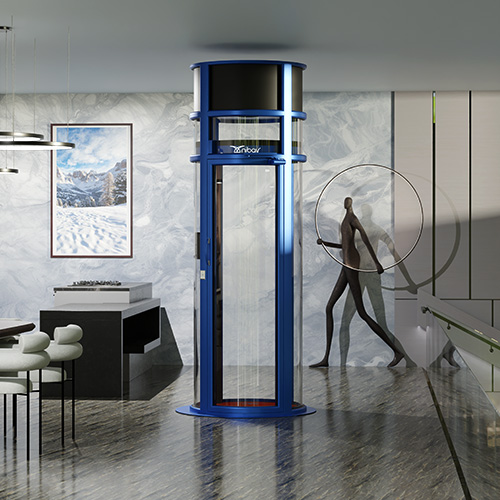
Complete Guide to Buying a Home Elevator in 2026
Every homeowner considering a lift for the first time runs into the same wall of confusion — dozens of brands, wildly different pricing, and technical specifications that mean very little without context. Deciding to buy a home elevator is usually driven by a real need, whether it’s aging parents, a growing family, or simply wanting easier movement between floors, but that urgency can quickly turn into decision paralysis once the research actually starts.
This guide cuts through the noise. It walks through exactly what to look for, what things actually cost in 2026, and how to compare options without getting lost in marketing language that all starts to sound the same after the third brochure.
Table of Contents
▾- Who This Guide Is Written For
- Home Elevator Buying Guide: Start With Your Actual Needs, Not the Brochure
- Home Elevator Price in 2026: What Actually Drives the Cost
- Home Elevator Buying Tips: Questions to Ask Every Provider
- New Build vs. Existing Home: Two Very Different Buying Paths
- Why Nibav Home Lifts Is a Common Starting Point for First-Time Buyers
- What to Expect When Buying From Nibav Home Lifts
- Frequently Asked Questions
Who This Guide Is Written For
This is for anyone actively researching a home elevator purchase across India — in Bangalore, Mumbai, Delhi, Chennai, or anywhere in between — particularly:
- First-time buyers who don’t yet know what questions to ask
- Homeowners planning ahead for aging parents or long-term accessibility needs
- Families renovating or building new who want to plan the lift into their layout from day one
- Anyone comparing multiple brands and struggling to separate genuine differences from marketing spin
Home Elevator Buying Guide: Start With Your Actual Needs, Not the Brochure
Before looking at any specific model, answer these questions honestly:
- How many floors does the lift need to serve? This affects both cost and the type of system that’s realistic for your home.
- How many people will typically use it at once? Solo use most days doesn’t require the same cabin size as a household that regularly moves together.
- Is this a new build or an existing home? Retrofitting into an already-built house usually rules out traditional pit-based systems entirely.
- Does anyone in the household need wheelchair access? This changes the minimum cabin dimensions you should be considering.
Answering these first prevents the common mistake of falling in love with a model that doesn’t actually fit your home’s structure or your family’s daily use.
Home Elevator Price in 2026: What Actually Drives the Cost
Home Elevator Pricing in India generally starts from around ₹11–12 lakhs for compact, two-person models and rises based on:
- Cabin size and passenger capacity — larger cabins cost more, though the increase is usually gradual rather than steep between adjacent sizes
- Number of floors served — a lift serving four stops costs meaningfully more than one serving two
- Finish and customisation — premium interior finishes, lighting packages, and personalisation options add to the base price
- Installation complexity — homes requiring additional structural work will see higher installation costs than straightforward retrofits
Always ask for a breakdown that separates the base unit price from installation and any optional add-ons, so you can compare quotes across providers on equal terms rather than comparing bundled figures that hide where the actual cost differences lie.
Home Elevator Buying Tips: Questions to Ask Every Provider
Before signing anything, get clear answers to:
- What is the exact installation timeline in writing, not just a verbal estimate?
- Does the quoted price include cabin customisation, or is that billed separately?
- What safety certifications does the model carry, and can they be verified?
- What does the warranty actually cover, and for how long?
- Is ongoing maintenance included, or will it need to be arranged separately?
Providers who give vague or evasive answers to any of these are worth treating with caution — clarity at this stage usually predicts how the rest of the relationship will go.
New Build vs. Existing Home: Two Very Different Buying Paths
If you’re building new, you have the flexibility to plan around almost any elevator type, including traditional shaft-based systems if that’s genuinely the right fit. If you’re buying for an existing home — which describes most buyers — self-supported, pitless models are usually the only realistic option, since they avoid the structural upheaval traditional systems require. Knowing which category you fall into early narrows the field considerably and saves time comparing options that were never going to work for your home anyway.
Why Nibav Home Lifts Is a Common Starting Point for First-Time Buyers
Nibav Home Lifts has built its entire range around the exact problem most first-time buyers face — homes that were never designed with a lift shaft in mind. Its self-supported, pitless models are engineered specifically to retrofit into existing structures without a pit or machine room, which removes the single biggest obstacle that stops most families from moving forward with a purchase.
What to Expect When Buying From Nibav Home Lifts
The buying process with Nibav Home Lifts typically starts with an on-site structural assessment, followed by model and finish selection with their design team, and installation that’s usually completed within a few working days once the site is ready. For buyers overwhelmed by the broader market, this structured, retrofit-first approach is often what makes Nibav Home Lifts one of the easier starting points to evaluate seriously.
Buying a home elevator in 2026 starts from around ₹11–12 lakhs for compact models in India, with price scaling based on cabin size, floors served, and finish — always request a full cost breakdown before comparing providers.
Frequently Asked Questions
1. How much does it cost to buy a home elevator in 2026?
In India, Nibav vacuum home lifts start from ₹11,99,000 for a Series III G+1 — a compact two-person model. Prices rise with the series, cabin size, and number of floors served, up to ₹26,09,000 for a Series V Max G+3. All figures are starting rates and exclude applicable taxes; final cost varies with customization.
2. What should I check before buying a home elevator?
Confirm the installation timeline in writing, whether customization is included in the quoted price, safety certifications, warranty coverage, and whether maintenance is included.
3. Is it cheaper to install a home elevator during construction or afterward?
Costs can be similar, but retrofitting into an existing home usually requires a self-supported, pitless model, while new builds have more flexibility to consider traditional systems if preferred.
4. How do I compare home elevator brands effectively?
Ask each provider the same set of specific questions — installation timeline, certification, warranty, and pricing breakdown — rather than comparing brochure claims alone.
5. What size home elevator should I buy for my family?
This depends on how many people typically need to travel together and whether wheelchair access is needed, since cabin size should match actual daily use rather than the largest available option.

Harish Karthikeyan
This blog was really helpful for understanding the important things to consider before buying a Home Elevator. The explanation of pricing, installation, safety certifications, and warranty coverage makes the decision-making process much easier. I especially liked the practical tips for first-time buyers. A useful guide for families looking for a comfortable and reliable home lift solution.
Yazhini Saravanan
A very informative guide for anyone planning to buy a Home Elevator in 2026. I found the section about comparing prices and understanding installation requirements particularly useful. Many homeowners may not know which questions to ask before choosing a lift, and this article explains them clearly. The information about existing homes and new constructions is also worth considering.
Dinesh Arumugam
Thanks for sharing this detailed Home Elevator buying guide. The article explains how cabin size, passenger capacity, number of floors, and customisation can affect the overall budget. I also appreciate the advice about checking safety standards and warranty details before making a purchase. These practical points are valuable for families planning to improve accessibility and convenience at home.
Nivetha Muthukumar
This article helped me understand how to choose a suitable Home Elevator without getting confused by different models and technical specifications. The comparison between new buildings and existing houses is especially helpful because installation requirements can vary considerably. The checklist of questions to ask providers is a great addition and can help homeowners make a more confident and informed decision.
Pranav Subramanian
I found this guide very useful for anyone researching Home Elevator options for their family. The pricing explanation gives a helpful starting point for budgeting, while the details about maintenance, installation timelines, and customisation highlight what buyers should check before finalising a provider. It is a practical and easy-to-understand article for homeowners who want better accessibility and long-term convenience.