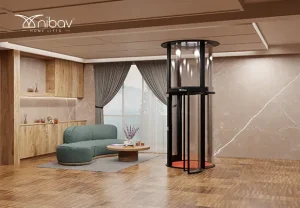
Home Elevator Designed for Wheelchair Access


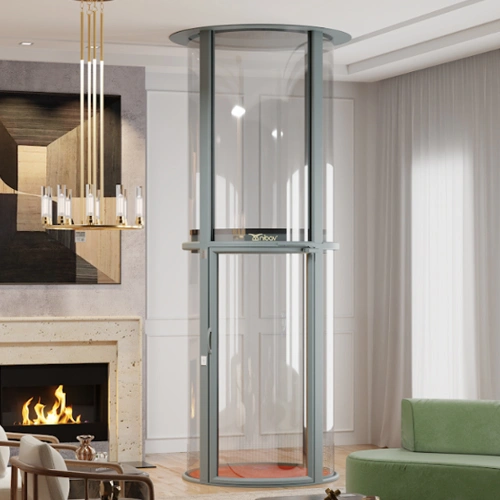
Find the perfect home lift model for your space by selecting your city and floor levels.
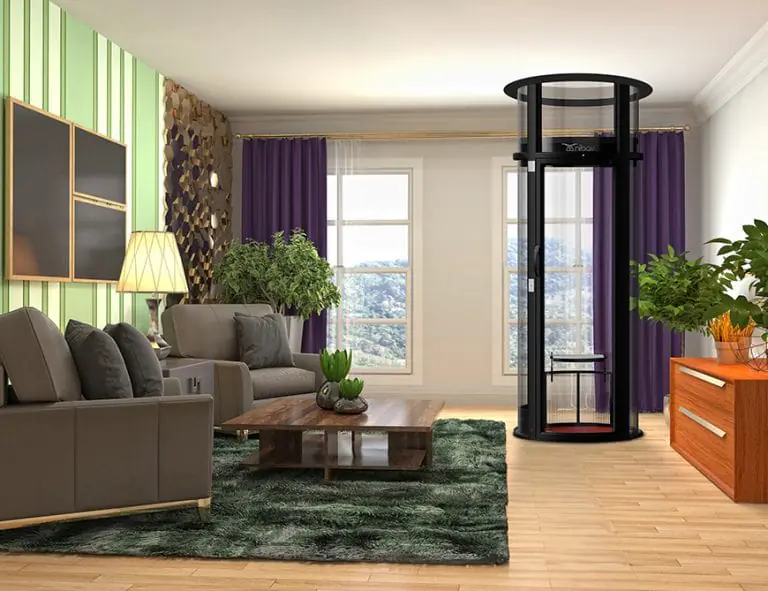
A home elevator designed for wheelchair access is a type of residential lift that has a much wider cabin area than traditional residential elevators. This additional width allows for a wheelchair user to easily enter the lift, turn around (if required), and safely exit the lift without any problems.
The larger interior dimensions of a wheelchair-accessible elevator allow for:
- The ease of movement of a wheelchair,
- The caregiver to accompany the wheelchair user,
- The safest and most comfortable positioning of the user while traveling in the lift.
By providing a wider cabin configuration, a wheelchair-friendly elevator enables a wheelchair user to maintain their independent mobility within their own home, as opposed to only allowing walking users access.
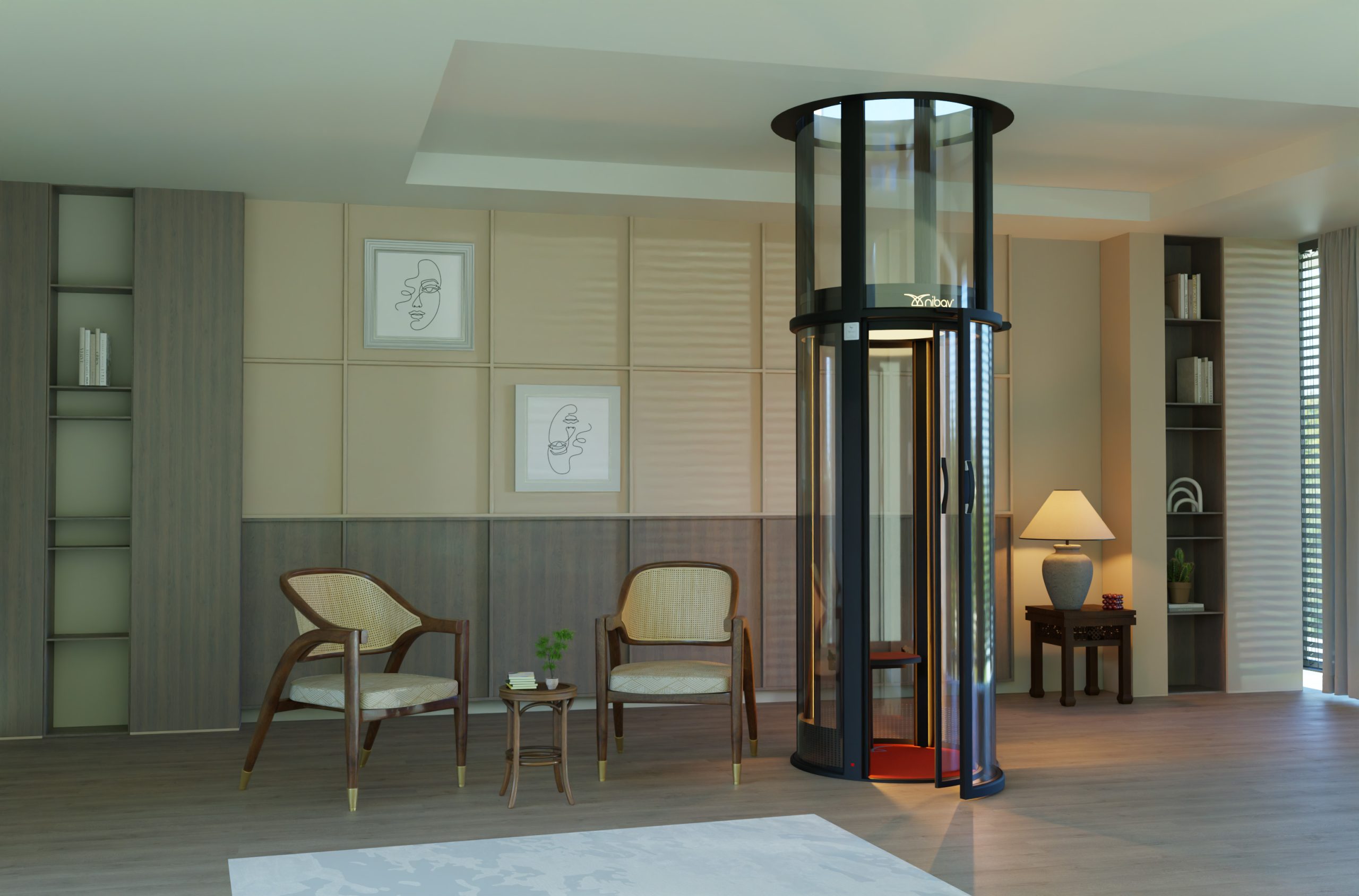
Wheelchair Accessibility is Only Found on Series IV Max and Series III Max Home Elevators
Wheelchair-friendly elevator cabins are what elevate an elevator from being a convenience to an actual access solution.
In a nutshell, the reason a home elevator with a wheelchair-friendly cabin is so important is because it:
- Enables a wheelchair user to live on their own,
- Makes it possible for a person to live in their home without relying on the use of stairs or needing outside assistance.
- Provides dignity and comfort to a user when moving around in their home.
- Increases the length of time a person can use their home.
- Protects the homeowner from having to adapt their home for future changes in their mobility.
For families contemplating long-term living, this feature gives peace of mind that your home will always be accessible for all ages.
Who Would Benefit from Wheelchair-Friendly Elevators?
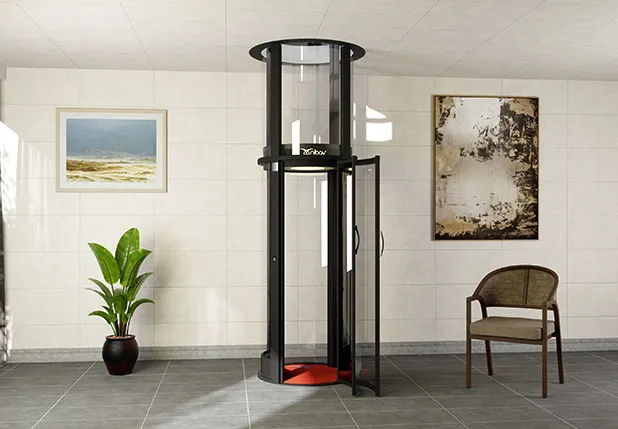
While this feature benefits many homeowners, it particularly benefits:
- Wheelchair users with full access to the cabin.
- The elderly (who may have mobility restrictions).
- Homes with caregivers who will share the cabin space with their clients.
- Families who are planning a course of living at home when they are older.
- Multi-level homes with safe vertical movement.
If you have a need for access, choosing the right model with a wider cabin is important.
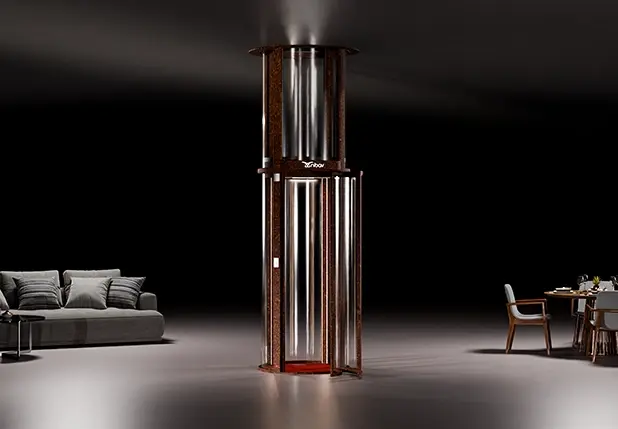
Models That Support Wheelchair Accessibility
Wheelchair-friendly and wide cabin models can be found only in the following two models:
- Series III Max
- Series IV Max
These two models were built specifically for:
- Wider cabins
- Higher payload capacity
- Easier access in and out for wheelchair users.
The other models are for compact residential use and do not offer wheelchair-friendly access.
Technical Aspects (Described in Layman's Terms)
Wide Cabin Design
Because the cabin was designed with increased width and depth, it provides enough room for a wheelchair to fit comfortably while allowing the user to move freely within the cabin.
Smooth Floor-Level Entry
The elevator is designed to stop level with the floor, allowing for easy and safe wheelchair entry and exit.
Stable and Controlled Movement
The system is engineered to provide a smooth beginning, stop, and travel to minimize any discomfort to the wheelchair user.
Adequate Payload Capacity
The elevator is designed to carry the combined weight of a wheelchair and occupant safely with no strain.
Convenient Control Access
The control panels are positioned for easy access from a seated position.
Frequently Asked Questions