 By Sriram on July 23, 2025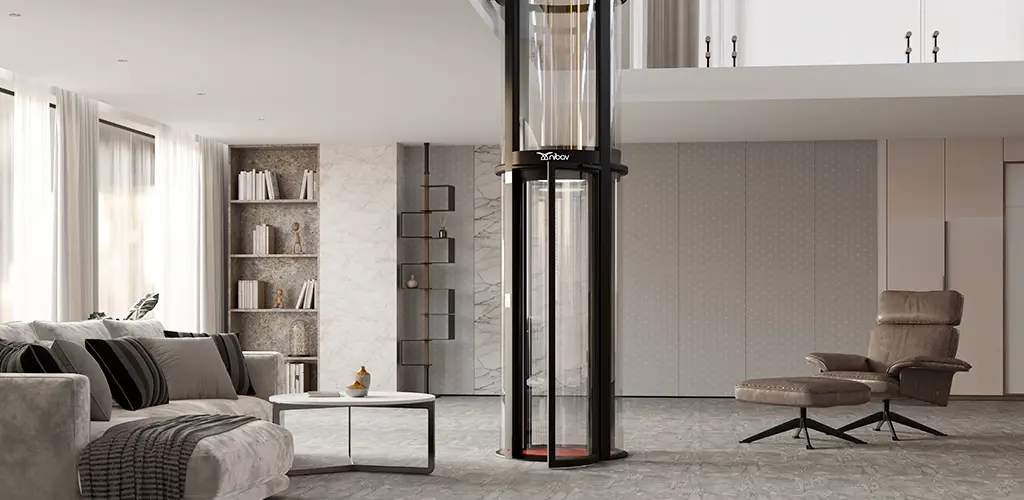
In recent years, home lifts have become an increasingly popular feature for residential properties, especially in multi-storey houses where mobility and accessibility are key concerns. Among the variety of options available, single person lifts for home stand out as practical, compact, and cost-effective solutions for individuals and families who want to improve convenience without sacrificing space or style.
This comprehensive guide explores the advantages, types, installation considerations, and the benefits of investing in a single person lift for your home. Whether you’re planning for aging in place, enhancing accessibility, or simply seeking an innovative home upgrade, a single person home lift might be the perfect addition to your living space.
Table of Contents
▾- Why Choose a Single Person Lift for Home?
- Types of Single Person Lifts for Home
- Space and Installation Considerations
- Safety Features for Single Person Home Lifts
- Practical Advantages of Single Person Lifts
- Cost Overview
- Choosing the Right Model for Your Home
- Conclusion
- FAQs for Single Person Lift for Home:
- 1. What makes a single person lift different from a standard home elevator?
- 2. What types of single person lifts are available for homes?
- 3. Are single person lifts easy to install in existing homes?
- 4. How much do single person home lifts typically cost?
- 5. Can a single person lift improve independence for elderly family members?
Why Choose a Single Person Lift for Home?
If you live alone, have limited space, or want an affordable way to install a residential lift, single person lifts offer a tailored solution. These lifts are designed specifically to carry one individual at a time, making them smaller, lighter, and more energy-efficient compared to lifts built for multiple passengers.
Benefits include:
- Space Efficiency: Their compact footprint allows them to fit in areas where traditional lifts may not. They are perfect for narrow staircases, small halls, or dedicated lift shafts in tight homes.
- Cost Savings: Smaller size means lower manufacturing, installation, and maintenance costs without compromising safety or performance.
- Ease of Installation: Many single person lifts come as modular units or pneumatic vacuum lifts that can be installed with minimal structural changes to your home.
- Energy Efficiency: Designed for light loads, they consume less power, reducing both operational costs and environmental footprint.
- Improved Mobility: Ideal for elderly individuals or anyone with limited mobility, single person lifts help users move safely between floors without navigating stairs.
Types of Single Person Lifts for Home
Several types of single person lifts are popular on the market today, each with distinct features you should consider:
1. Pneumatic Vacuum Lifts
These lifts use air pressure to raise and lower the elevator cab inside a transparent tube. No cables, pit, or machine room is needed, making installation quick and fuss-free. The sleek look and smooth movement enhance the aesthetics of modern homes while serving practical mobility needs.
Key Features:
- Transparent cylinder design
- Quick, modular installation
- Ideal for retrofitting existing homes
- Energy-efficient, low maintenance
2. Electric Screw-Drive Lifts
Electric screw-driven lifts use a motor to raise the cab via a screw mechanism. Compact and quiet, these lifts are perfect for single-user applications. They generally require a small machine room or shaft but are known for durability and smooth operation.
Key Features:
- Precise movement and control
- Moderate installation requirements
- Can be fitted in tight shafts
- Suitable for indoor use
3. Hydraulic Lifts (Small Footprint Models)
While hydraulic systems tend to be larger and more powerful, manufacturers now offer smaller, single-person capable hydraulic lifts. They provide smooth, comfortable rides and are often favored for homes requiring lifts that can handle small freight loads too.
Key Features:
- Smooth, quiet operation
- Can carry slightly heavier loads
- Require a pit and room for hydraulic equipment
Space and Installation Considerations
Before purchasing a single person lift for your home, it’s essential to evaluate your space and structural constraints:
- Available Shaft or Staircase Space: Measure the width and height between floors accurately to determine the lift size that fits without compromising room usability.
- Structural Modifications: Some lifts require creating shafts or pits. Consult with a structural engineer or installer to understand what construction work may be necessary.
- Power Supply: Confirm the electrical requirements and availability near the installation site. Some lifts operate on standard household current while others may need dedicated lines.
- Compliance and Safety Standards: Verify that the lift meets local building codes, safety regulations, and has certification from recognized authorities.
Safety Features for Single Person Home Lifts
Safety remains a top priority for all residential lifts, including single person models. Look for:
- Emergency stop buttons and alarms
- Battery backup for operation during power outages
- Door obstruction sensors and automatic locking systems
- Smooth start and stop functions to avoid jolts
- Weight limit sensors to prevent overloading
Practical Advantages of Single Person Lifts
- Enhanced Accessibility and Independence:
A lift tailored to accommodate one person allows elderly or disabled family members to navigate multi-storey homes with dignity and ease. - Cost-Effective Customization:
Compared to larger multi-person elevators or stairlifts, single person lifts are more affordable to install and maintain. - Space-Saving Design:
The smaller footprint means your home remains uncluttered, preserving space for other everyday uses. - Easy Integration with Smart Home Systems:
Many modern single person lifts can integrate with home automation, allowing remote control and safety monitoring.
Cost Overview
The price of single person lifts varies depending on type, brand, and installation complexity. Typical costs range between ₹10 lakh to ₹21 lakhs including installation. Pneumatic vacuum lifts tend to be on the lower end, while hydraulic or electric screw-drive models may be more expensive.
Maintenance costs are generally low, with annual servicing averaging ₹10,000 to ₹20,000.
Choosing the Right Model for Your Home
When selecting your single person lift, consider the following steps:
- Identify Usage Needs: Who will use the lift and how frequently?
- Measure Space Accurately: Take precise measurements to ensure proper fit.
- Set Budget Expectations: Factor in both purchase price and installation costs.
- Evaluate Aesthetics: Find a model that complements your home’s interior.
- Consult with Professionals: Work with certified installers and manufacturers to get tailored advice.
Conclusion
A single person lift for home is an excellent investment for anyone looking to improve mobility, accessibility, and convenience within their residential space. Compact, affordable, and stylish, these lifts offer a seamless solution for overcoming the challenges of multi-level living. By choosing the right model and planning the installation carefully, you can add lasting value and comfort to your home while maintaining its aesthetic appeal.
If you want to make your daily movement between floors effortless and safe, consider installing a single person home lift. It’s not just a convenience—it’s a lifestyle upgrade.
FAQs for Single Person Lift for Home:
1. What makes a single person lift different from a standard home elevator?
Single person lifts are designed to carry one individual, making them more compact, energy-efficient, and often less expensive than multi-person elevators.
2. What types of single person lifts are available for homes?
Common types include pneumatic vacuum lifts, electric screw-drive lifts, and compact hydraulic lifts.
3. Are single person lifts easy to install in existing homes?
Many single person lifts, especially pneumatic vacuum models, are designed for easy installation with minimal structural modifications, making them ideal for retrofitting.
4. How much do single person home lifts typically cost?
Prices generally range from ₹10 lakh to ₹21 lakh including installation, varying by type and features.
5. Can a single person lift improve independence for elderly family members?
Absolutely. These lifts provide safe and easy access between floors, significantly enhancing independence and dignity for individuals with mobility challenges.
Author
No comments yet.