
 By Sriram on December 30, 2025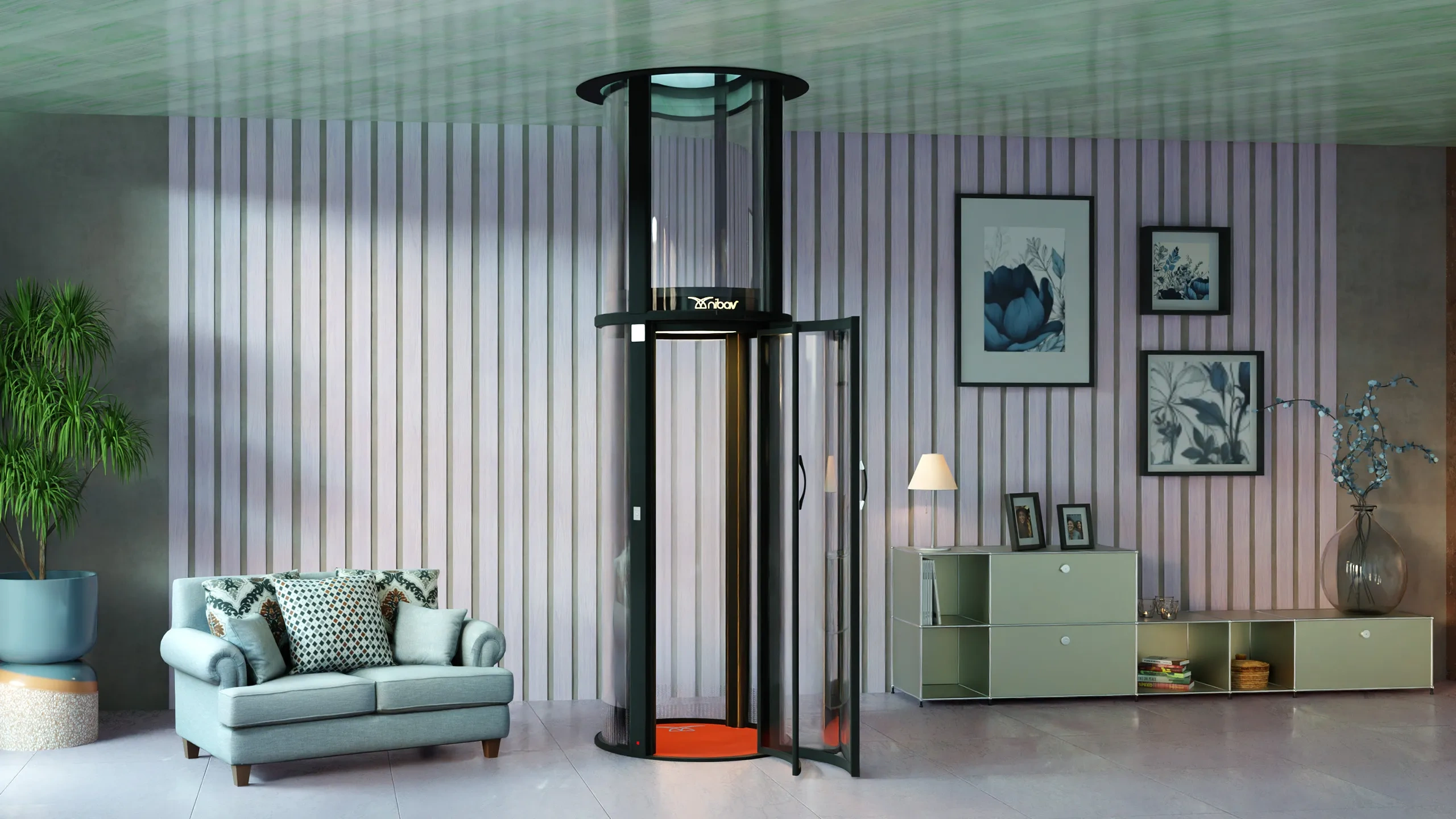
Elevators have become an essential part of modern living. From residential homes and villas to commercial buildings and high-rise apartments, elevators make vertical movement safe, smooth, and effortless. While we use elevators every day, very few people understand how elevators work and the technology that powers them.
In this guide, we explain the working principle of elevators, their main components, different types of elevators, and how modern elevator systems ensure safety, efficiency, and comfort.
Table of Contents
▾- What Is an Elevator?
- Main Components of an Elevator System
- How Elevators Work: Step-by-Step Process
- Types of Elevators and How They Work
- How Elevator Safety Systems Work
- How Home Elevators Work
- Energy Efficiency in Modern Elevators
- Common Questions About How Elevators Work
- Maintenance and Long-Term Performance
- Future of Elevator Technology
- Conclusion
What Is an Elevator?
An elevator is a mechanical system designed to transport people or goods vertically between floors. It operates using motors, control systems, and safety mechanisms that allow controlled movement within a shaft.
Modern elevators are designed to deliver:
- Safe operation
- Energy efficiency
- Smooth travel
- Minimal maintenance
Main Components of an Elevator System
Understanding how elevators work starts with knowing their core components.
1. Elevator Car (Cabin)
The elevator car is the enclosed space that carries passengers. It is designed to handle a specific weight capacity and is built using strong materials such as steel or reinforced glass.
2. Guide Rails
Guide rails keep the elevator car aligned and stable while moving up or down the shaft.
3. Drive System
The drive system provides the power that moves the elevator. Different elevator types use different drive mechanisms such as traction, hydraulic, or air-driven systems.
4. Control Panel and Controller
The controller acts as the brain of the elevator. It processes floor requests, controls speed, manages door operation, and ensures precise stopping.
5. Elevator Doors
Automatic doors open and close safely using sensors that detect obstacles and prevent accidents.
6. Safety Systems
These include emergency brakes, alarms, backup power, and overspeed governors to protect passengers.
How Elevators Work: Step-by-Step Process
Step 1: Call Button Activation
When a passenger presses the call button, the signal is sent to the elevator controller.
Step 2: Controller Decision
The controller identifies the closest available elevator and determines the direction of travel.
Step 3: Drive System Engagement
The motor or vacuum system activates and moves the elevator car smoothly.
Step 4: Controlled Movement
The elevator travels along guide rails at a regulated speed, monitored continuously by sensors.
Step 5: Accurate Floor Leveling
As the elevator reaches the selected floor, it slows down and stops precisely at floor level.
Step 6: Door Opening
Once stopped safely, the doors open automatically for passenger entry or exit.
Types of Elevators and How They Work
1. Traction Elevators
Traction elevators are commonly used in residential and commercial buildings.
Working principle:
- An electric motor moves steel ropes or belts
- The elevator car is balanced by a counterweight
- Movement is achieved by rotating the pulley
Benefits:
- Energy efficient
- Smooth and quiet operation
- Suitable for multi-storey homes
2. Hydraulic Elevators
Hydraulic elevators use fluid pressure to lift the elevator.
Working principle:
- A pump forces hydraulic oil into a cylinder
- The piston pushes the cabin upward
- Descent happens by releasing the fluid
Benefits:
- Powerful lifting capacity
- Simple mechanism
- Ideal for low-rise buildings
3. Vacuum Elevators (Air-Driven Elevators)
Vacuum elevators are becoming increasingly popular for homes.
Working principle:
- Air is removed from above the cabin using a vacuum pump
- Atmospheric pressure below lifts the cabin
- Controlled air release allows smooth descent
Benefits:
- No pit or machine room required
- Energy efficient
- Quick installation
- Minimal maintenance
4. Machine Room-Less (MRL) Elevators
MRL elevators eliminate the need for a separate machine room.
Working principle:
- Compact motor installed within the shaft
- Operates using traction technology
Benefits:
- Space-saving design
- Modern and eco-friendly
- Lower construction cost
How Elevator Safety Systems Work
Elevators are designed with multiple safety layers.
Overspeed Governor
Stops the elevator automatically if it moves faster than the safe limit.
Emergency Braking System
Engages mechanical brakes in case of malfunction or power failure.
Door Safety Sensors
Prevent doors from closing when an object or person is detected.
Backup Power System
Moves the elevator to the nearest floor during power outages.
Emergency Alarm and Communication
Allows passengers to contact help instantly.
How Home Elevators Work
Home elevators are designed for comfort, accessibility, and efficiency.
Key features include:
- Compact drive systems
- Smooth and quiet operation
- Low energy consumption
- Easy-to-use controls
Vacuum home elevators are especially popular because they require minimal civil work and fit easily into existing homes.
Energy Efficiency in Modern Elevators
Today’s elevator company are designed to consume less power.
Energy-saving features include:
- Regenerative drives
- LED cabin lighting
- Standby mode when idle
- Balanced load systems
These technologies help reduce electricity bills and environmental impact.
Common Questions About How Elevators Work
Do elevators fall during power failure?
No. Elevators have automatic brakes and backup systems that prevent free fall.
Are elevators safe for homes?
Yes. Residential elevators are designed with advanced safety systems and strict standards.
Do elevators consume a lot of electricity?
Modern elevators are highly energy efficient and consume minimal power.
Maintenance and Long-Term Performance
Regular maintenance ensures:
- Smooth movement
- Reliable safety systems
- Longer lifespan
- Reduced breakdowns
Scheduled inspections help elevators perform efficiently for years.
Future of Elevator Technology
Elevator systems continue to evolve with innovation.
Emerging trends include:
- Rope-less elevator systems
- Smart destination control
- IoT-based monitoring
- Eco-friendly materials
These advancements aim to improve efficiency, safety, and sustainability.
Conclusion
Understanding how elevators work highlights the advanced engineering behind this everyday convenience. Whether it’s a traction elevator, hydraulic lift, or modern vacuum elevator, each system is designed to deliver safe, smooth, and efficient vertical transportation.
With growing demand for home elevators and residential lifts, modern elevator technology is shaping the future of comfortable and accessible living.

Arun Prakash
Really helped me understand how different elevators work and why they’re safe for home use.
Priya Ramesh
Now I get how vacuum, hydraulic, and traction lifts differ very useful for picking the right home elevator.
Siddharth Malhotra
The safety details like emergency brakes and overspeed protection are explained clearly makes me feel confident.
Tamilalazhgi
Loved how it explains energy-efficient lifts that need less maintenance perfect for modern homes.
Lakshmi Nasi
Step-by-step working and safety features make elevators feel easy to understand and reliable.
Vikram
The info on compact home lifts and MRL elevators is really helpful for space-conscious homes.