 By Sriram on March 12, 2026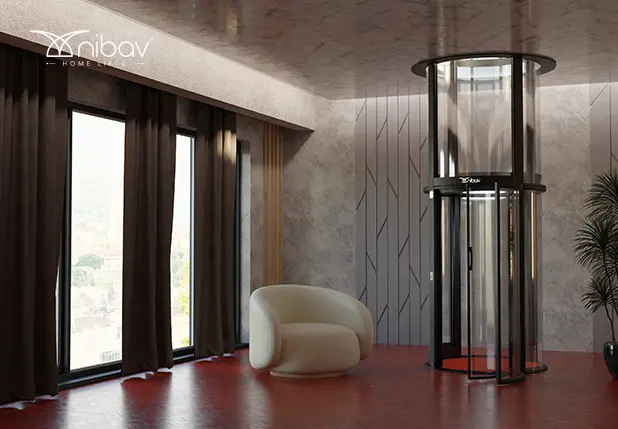
Many Indian homes today are built with multiple floors. While this design provides more living space, it can also create challenges as family members grow older. For elderly people, climbing stairs several times a day can become painful, tiring, and sometimes even dangerous.
Health conditions such as arthritis, knee pain, balance issues, and reduced mobility make staircases difficult for senior citizens. In many cases, families begin restricting elderly parents to one floor simply because accessing the rest of the home becomes unsafe.
This is where installing a home lift for elderly people becomes an excellent solution. A residential lift allows seniors to move freely between floors without depending on others for support.
The best part is that modern home lifts can now be installed in existing houses without major structural changes. Whether you live in a villa, duplex, bungalow, or independent house, there are compact lift solutions designed specifically for residential use.
In this guide, we will explore everything you need to know about installing a home lift for elderly parents in an existing home, including the benefits, types of lifts, space requirements, safety features, and cost in India.
Table of Contents
- Why Elderly People Need a Home Lift
- Can a Home Lift Be Installed in an Existing House?
- Best Types of Home Lifts for Elderly People
- Essential Safety Features for Elderly Home Lifts
- Space Required for Installing a Home Lift
- Cost of Installing a Home Lift for Elderly in India
- How to Choose the Right Home Lift Company
- Tips Before Installing a Home Lift
- Conclusion
- Frequently Asked Questions (FAQs)
- 1. Can a home lift be installed in an existing house?
- 2. What is the best home lift for elderly people?
- 3. How much space is required for a home lift?
- 4. How much does a home lift cost in India?
- 5. Is a home lift safe for senior citizens?
- 6. How long does it take to install a home lift?
- 7. Do home lifts require a machine room?
Why Elderly People Need a Home Lift
As people age, everyday activities can become more physically demanding. Stairs, which once seemed normal, can become one of the biggest obstacles inside the home.
Installing a home lift for senior citizens helps address several mobility challenges.
1. Improved Safety
Falls on staircases are one of the most common causes of injury among elderly people. A residential lift significantly reduces the risk of accidents and provides a safer way to move between floors.
2. Greater Independence
Many seniors prefer to remain independent rather than relying on family members for assistance. A home lift allows elderly residents to access every part of their home comfortably without help.
3. Reduced Physical Strain
Climbing stairs multiple times a day can cause severe strain on the knees, hips, and joints. A lift eliminates this physical effort and improves daily comfort.
4. Enhanced Quality of Life
When elderly family members can move freely around the house, they feel more confident and included in daily family activities.
5. Future-Proofing Your Home
Installing a home lift today ensures your house remains accessible for years to come, not just for elderly parents but for future generations as well.
Can a Home Lift Be Installed in an Existing House?
Many homeowners believe that elevators can only be installed during the construction stage. However, this is no longer true. Modern residential lifts are specifically designed for retrofit installations, meaning they can be added to homes that are already built.
These lifts are engineered with features that make installation much easier compared to traditional elevators.
Some of the advantages include:
- No need for a deep pit
- No requirement for a machine room
- Minimal structural modification
- Compact installation area
- Faster installation process
Because of these benefits, many homeowners today choose to install a home lift in their existing house to improve accessibility for elderly parents.
Best Types of Home Lifts for Elderly People
Choosing the right lift type is important when planning installation in an existing home. Different technologies offer different benefits depending on space availability and user needs.
Pneumatic Vacuum Home Lifts
Pneumatic vacuum lifts are one of the most advanced residential lift technologies available today. These lifts operate using air pressure technology, which moves the lift cabin smoothly between floors.
They are particularly popular for existing homes because they require very little structural modification.
Some key advantages include:
- No pit required
- No machine room needed
- Minimal space requirement
- Energy-efficient operation
- Smooth and quiet ride
Because of their compact design, pneumatic lifts are often installed in living rooms, stairwell spaces, or even outside the house structure.
Hydraulic Home Elevators
Hydraulic lifts are another common option for residential buildings. They operate using hydraulic fluid to move the lift car between floors.
Hydraulic lifts are known for their:
- Strong lifting capacity
- Smooth movement
- Reliable performance
However, they usually require more construction work compared to pneumatic lifts, including a machine room and pit space.
Stair Lifts
In homes where installing a full elevator is not feasible, stair lifts may be considered. A stair lift is a motorized chair that moves along the staircase rail, allowing elderly people to sit and travel up and down the stairs.
While stair lifts are more affordable, they have limitations such as:
- Only one user at a time
- Not suitable for carrying heavy loads
- Limited design flexibility
For many families, a compact home elevator for elderly parents provides a more convenient long-term solution.
Essential Safety Features for Elderly Home Lifts
Safety should always be the top priority when choosing a lift for senior citizens.
Modern home elevators include several safety mechanisms designed specifically for residential use.
1. Emergency Backup System
In case of a power outage, the lift should automatically move to the nearest floor using backup power so passengers can exit safely.
2. Automatic Door Lock System
Doors should remain securely locked while the lift is moving to prevent accidental opening.
3. Obstruction Sensors
These sensors detect objects or obstacles near the door and prevent it from closing if something is in the way.
4. Emergency Alarm
An emergency alarm button allows users to notify family members or maintenance teams if assistance is required.
5. Smooth Start and Stop Technology
Gentle acceleration and deceleration ensure the lift ride is comfortable for elderly passengers without sudden jerks.
Space Required for Installing a Home Lift
Space is one of the biggest concerns for homeowners considering a residential elevator. Fortunately, modern home lifts are designed to fit into compact areas.
Typical space requirements vary depending on lift capacity.
| Lift Capacity | Approximate Space Required |
| 2 Person Lift | Around 1 meter diameter |
| 3 Person Lift | Around 1.3 meters |
| 4 Person Lift | Around 1.5 meters |
Home lifts can be installed in several locations within a house, including:
- Staircase void areas
- Corners of living rooms
- Balcony spaces
- Outdoor structures attached to the building
An experienced lift company will evaluate the available space and recommend the best installation location.
Cost of Installing a Home Lift for Elderly in India
The cost of installing a residential lift depends on several factors such as lift technology, number of floors, customization options, and installation complexity.
Factors Affecting Home Lift Price
Some of the main factors influencing lift cost include:
- Number of floors to be served
- Lift capacity (2–4 people)
- Type of lift technology
- Interior design and customization
- Installation requirements
Average Home Lift Price in India
In most cases, the price of installing a home lift for elderly parents ranges between:
₹11 Lakhs to ₹22 Lakhs
Premium models with advanced technology and luxury finishes may cost more.
While the initial investment may seem high, many homeowners consider it worthwhile because it significantly improves safety, comfort, and accessibility.
How to Choose the Right Home Lift Company
Selecting the right lift company is essential to ensure quality installation and long-term reliability.
Before making a decision, homeowners should evaluate several factors.
1. Experience in Residential Lifts
Choose a company that specializes in home elevators rather than commercial lifts.
2. Safety Certifications
Check whether the lift meets international safety standards.
3. Installation Expertise
The company should have experience installing lifts in existing homes with minimal structural changes.
4. After-Sales Support
Reliable maintenance and service support are important for long-term performance.
5. Customer Reviews
Reading customer feedback can provide valuable insights about product quality and service reliability.
Tips Before Installing a Home Lift
Before installing a home elevator, homeowners should plan carefully to ensure the process goes smoothly.
Here are some useful tips:
- Evaluate available space in the house
- Choose elderly-friendly controls and simple interfaces
- Ensure regular maintenance service is available
- Select energy-efficient technology
- Verify safety certifications and standards
Proper planning helps ensure the lift installation is safe, efficient, and suitable for elderly users.
Conclusion
Installing a home lift for elderly people in an existing home is one of the most effective ways to improve accessibility and safety. Modern residential lifts are designed to be compact, energy-efficient, and easy to install without major structural changes.
For families living in multi-floor homes, a home elevator allows elderly parents to move freely between floors without the physical strain of climbing stairs.
Beyond convenience, a home lift provides peace of mind by reducing the risk of falls and making the home safer for senior citizens.
As technology continues to advance, installing a residential lift is becoming an increasingly popular way to create a senior-friendly home environment that supports independence and comfort.
Frequently Asked Questions (FAQs)
1. Can a home lift be installed in an existing house?
Yes, modern home lifts are designed specifically for retrofit installations and can be installed in existing homes without major structural changes.
2. What is the best home lift for elderly people?
Compact residential lifts such as pneumatic vacuum elevators are considered one of the best options because they require minimal construction and offer smooth operation.
3. How much space is required for a home lift?
Most residential lifts require around 1 to 1.5 meters of space, depending on the lift capacity.
4. How much does a home lift cost in India?
The cost of a home lift typically ranges between ₹11 lakhs and ₹22 lakhs, depending on the technology, capacity, and customization options.
5. Is a home lift safe for senior citizens?
Yes. Modern home lifts include several safety features such as emergency backup power, automatic door locks, obstruction sensors, and alarm systems.
6. How long does it take to install a home lift?
Installation time varies depending on the lift type, but most residential lifts can be installed within 2 to 5 days.
7. Do home lifts require a machine room?
Many modern residential lifts, especially pneumatic lifts, do not require a machine room, making them ideal for existing homes.