 By Sriram on March 16, 2026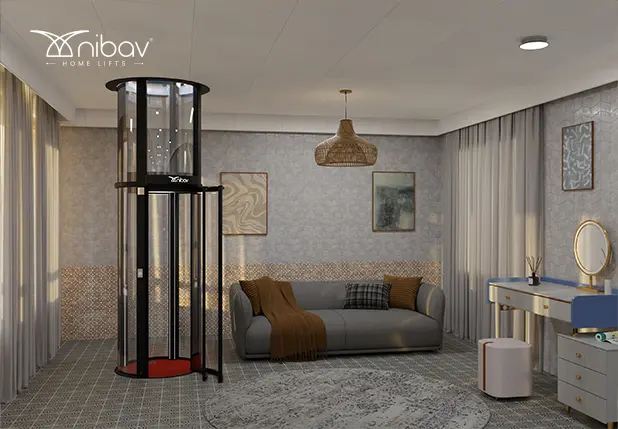
Think about it: carrying groceries upstairs after a long day, helping an elderly parent move safely from one floor to the other, or would you like your home to be more navigable? These are experiences people have every day in multi-storey homes throughout India.
This is the difference an Affordable Home Elevator can make.
Home Elevators are now considered not only a luxury item but also a practical way to provide easier access to all members of the household, with the added benefit of increased safety, security and comfort. When homeowners are considering purchasing an Affordable Home Elevator, however, there is typically one very important question that comes up more than any other question:
Is it possible to purchase an Affordable Home Elevator, without compromising on Safety?
The answer is YES…if you know what to look for!
This article outlines some of the more important elements you need to look for to ensure that whatever elevator you choose is going to offer safety, security, and long-term value.
Table of Contents
- Why Are More Homeowners Choosing an Affordable Home Elevator?
- The Biggest Mistake People Make When Choosing a Home Elevator
- Why Are Nibav Home Elevators a Practical Choice?
- FAQs
Why Are More Homeowners Choosing an Affordable Home Elevator?
Many houses today are built with multiple floors. Stairs can be manageable in the beginning, but over time they can also become inconvenient or unsafe.
An Affordable Home Elevator provides a safe and convenient way to move between floors without relying completely on stairs.
There are many reasons that many homeowners are considering an Affordable Home Elevator:
- Safe mobility for elderly family members
- Easy access for children and visitors
- Convenient ability to carry grocery bags or luggage or other heavy items
- Greater accessibility for people with mobility issues
- Increased property value and useable space
Rather than redesigning your entire home at a later date, it’s best to install a compact house elevator when designing your home and provide long-term mobility.
The Biggest Mistake People Make When Choosing a Home Elevator
Affordable Home Elevators should be more than simply a price substitute. The right choice will depend on how well each component works together.
- Safety
- Technology
- Installation requirements
- Maintenance costs
- Long-term reliability
A properly designed home elevator will allow you to live normally without creating new structural issues or additional maintenance requirements.
Let’s examine how those items can assist you in making your best selection.
1. Choose the Right Elevator Technology
How your elevator functions relies on the technology behind it.
Pneumatic elevators have been gaining popularity in residential settings as they utilise air pressure and have no complicated mechanical components.
An air-driven system, or pneumatic elevator, uses air pressure to move the elevator cabin inside a cylindrical tube vertically.
Some advantages of pneumatic elevators include:
- Smooth vertical movement
- Fewer moving parts
- Less maintenance needed
- Energy-efficient operation
Due to the simple workings of pneumatic elevators, they are often looked at as a Practical Affordable Home Elevator option in residential buildings.
2. Check the Space Requirements
Many people wonder if there’s enough space to put an elevator in their home. Traditional elevators typically require significant structural work, such as building a pit, a shaft for the elevator, and having a separate room for the elevator’s mechanical components.
Nibav Residential Elevators are designed differently. They have a self-supporting structure, so there is no need for major structural work when installing them in your home.
All of the Nibav models, from Series III to Series V Max, carry the same compact space requirements as follows:
- Cabin Diameter: 749 – 1240 mm
- External Cylinder/Shaft Diameter: 933 – 1363 mm
- Clear Space Required: ~1000 – 1430 mm
- Maximum Travel: Up to 13,500 mm (G+3)
- Structure: Self-supporting with no Pit/Shaft/Machine Room Required
Since Nibav’s compact elevators do not need pits or machine rooms, they can be placed anywhere that could hold an elevator – these include:
- Staircase voids
- Living rooms
- Corners of the house
- Balconies
This variety of options for installation makes installing a compact elevator in a home much simpler than a traditional one.
3. Safety Should Always Be Non-Negotiable
A Nibav elevator is an affordable way to provide safe and reliable transport. Passenger safety relies on a multi-faceted approach with the following additional safety features:
Emergency Descent System – Should the elevator lose power, the elevator will automatically descend to the nearest floor and allow the passenger to exit safely.
Mechanical Safety Brakes – Should any irregular motion or pressure imbalance occur, the brake system is engaged, making sure there is no movement.
Door Safety Interlock – The elevator doors cannot open until the elevator is level with the floor.
Alarm and Emergency Alerts – Alarm systems are included in residential elevators; if needed, these will allow passengers to call for help.
Overload Protection – The elevator will not operate if the load exceeds the design limits due to load sensors.
These systems working together will produce a safe and dependable elevator operation.
4. Understand the Technical Specifications
Before choosing an Affordable Home Elevator, it is important to understand a few key specifications.
Load Capacity
Residential elevators typically support:
- 210 kg – (2 people)
- 240 kg – (3–4 people)
These numbers represent a normal weight range for typical home usage.
Number of Floors Supported
Most residential elevators typically support 2 to 4 stops (G = ground floor; 3 floors above).
Energy Efficiency
Nibav elevators use air-driven pneumatic technology, where electricity is mainly used during upward travel. During descent, the elevator moves using controlled air pressure and gravity, which results in very low energy consumption and efficient residential operation.
By conserving energy during the long-term operation, you will reduce your overall cost of operating the elevator.
5. Installation Time Matters More Than You Think
The affordability of an elevator is also greatly impacted by how long it takes to install one. Traditional elevators can take months to install due to the construction time (changing structures, schedule delays, and costs).
Compact residential elevators like Nibav models are built for easier installation.
General installation characteristics include:
- Modular pre-engineered components
- No pit excavation required
- No machine room required
- Installation expected to take 24–48 working hours
In addition, since these elevators are self-supporting, minimal structural load applies to the building, therefore making the installation less complex.
6. Maintenance and Long-Term Costs
A good home elevator will stay affordable after installation.
An elevator has fewer moving parts and therefore usually requires less frequent service.
An air-driven elevator will be easier to maintain because it eliminates several complicated systems:
- Hydraulic oil pumps
- Counterweight systems
- Complex pulley systems
This will decrease your elevator maintenance requirements while making your elevator more reliable for years to come.
Regular servicing will help your elevator to function properly and safely.
7. Design That Blends With Your Home
Design is a big factor in choosing a residential elevator now that safety and technology are covered. When it comes to choosing an elevator, it is important for most homeowners to have an elevator that fits easily into and blends well with their interior space.
There are many common features and designs that can be incorporated into a residential elevator, including:
- Panoramic transparent cabins
- Cylindrical compact structures are easy to overlook when designing a space
- Integrated LED lighting gives an elegant and stylish touch
- Durable polycarbonate materials add to the durability of the unit
All of these design features create a complete home, rather than just a new component that has been added to a home.
Why Are Nibav Home Elevators a Practical Choice?
Nibav lifts are ideal for your residential building projects – they are straightforward, safe and can be installed with ease. These pneumatic elevators have a multitude of advantages:
- Built using pneumatic vacuum technology
- No pit, shaft, or machine room required
- Quick installation process
- Capacity of 210–240 kg
- Travel height up to G+3 floors
These features make it possible for homeowners to have an affordable home lift without extensive construction work.
Nibav lifts offer residential users a unique combination of compact engineering and all the essential safety features, making them a practical alternative to provide residential mobility.
Thinking About Installing a Home Elevator?
Choosing the right elevator can significantly improve safety and convenience inside your home.
If you are exploring options for an Affordable Home Elevator, the best next step is to understand what works for your house layout and accessibility needs.
A consultation with elevator experts can help you determine the right model, space requirements, and installation plan for your home.
Book a Free Consultation with Nibav Experts Today and Discover the Right Elevator for Your Home.
FAQs
1. What Is An Affordable Home Elevator?
An affordable home elevator is a stair lift for homes that will safely transport you vertically; you can keep the costs of the installation and maintenance to a minimum.
2. Are Affordable Home Elevators Safe?
Most affordable home elevators include some form of safety features like emergency descent, interlocking doors, braking systems, alarms, and overloading protection devices.
3. How Much Space Do You Need For A Home Elevator?
The Nibav home elevator is designed very compactly and has minimum space requirements. Depending on the model, the cylinder on the outside of the elevator varies in diameter from approximately 933 mm to 1363 mm, which allows them to be fitted into many residential areas without the need of a pit, shaft, or machine space.
4. Can I put in an elevator in my existing living space?
Yes, there are many manufacturers of elevators specifically for use in existing homes where no pit, machine room, or structural changes are required.
5. What is the installation time for a Nibav elevator?
If the project is ready for installation and has the needed space, Nibav’s home elevator can be up and running in 24–48 working hours. With Nibav lifts using a self-supporting structure, there’s no need for a pit, shaft, or machine room; therefore, installation takes much less time and thus has less disturbance to your home than other types of elevators.